Posts

Showing posts with the label SAD

SYSTEMS DEVELOPMENT LIFE CYCLE
Image
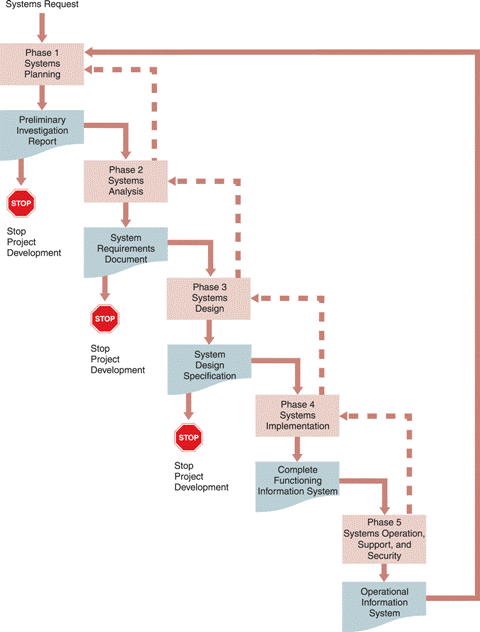
According to Wikipedia,  The  systems development life cycle (SDLC) , also referred to as the  application development life-cycle , is a term used in  systems engineering ,  information systems  and  software engineering  to describe a process for planning, creating, testing, and deploying an information system. The systems development life-cycle concept applies to a range of hardware and software configurations, as a system can be composed of hardware only, software only, or a combination of both. STEPS 1. PLANNING Systems request IT requirements Major request New IS Or Replacement of an Existing system Minor Request new feature or a change to the user interface Preliminary Investigation 2. ANALYSIS is to understand business requirements and build a logical model of the new system Requirements Modeling where you define and describe business processes Interviews, Surveys, Observation and Samplin...
SYSTEM ANALYST

According to Wikipedia,  A  systems analyst  is an IT professional who specializes in analyzing, designing and implementing  information systems . System analysts assess the suitability of information systems in terms of their intended outcomes and liaise with end users, software vendors and programmers in order to achieve these outcomes. ROLES FOR THE COMPANY’S INFORMATION SYSTEM Investigate Analyze Design Develop Install Evaluate Maintain Responsibilities Help translate business requirements into IT projects When assigned to a systems development team, an analyst might help document business profiles, review processes, select hardware and software, design IS, train users, and plan e-commerce websites Plans, projects, develop schedules, and estimate costs To keep managers informed, analysts conducts meetings, delivers presentations, and writes memos, reports and documentation Required Skills and Background Solid t...

SYSTEMS ANALYSIS AND DESIGN

Image
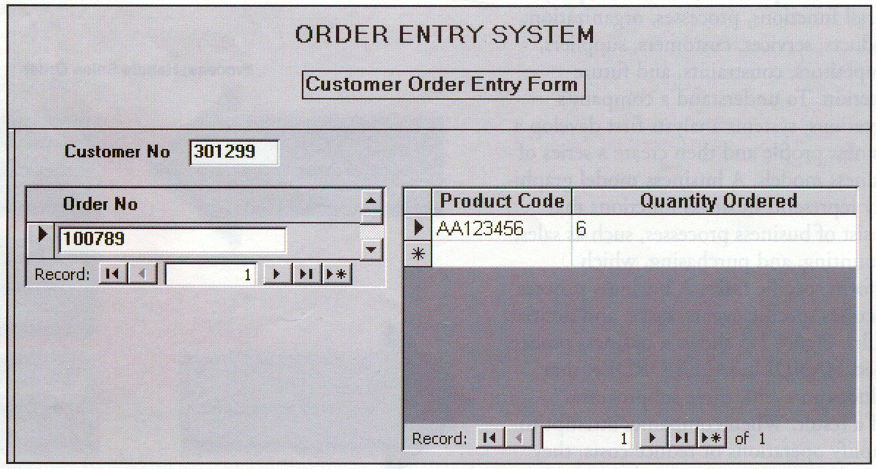
SYSTEMS ANALYSIS AND DESIGN CHAPTER 1: INTRODUCTION TO SYSTEMS ANALYSIS AND DESIGN INFORMATION TECHNOLOGY is a combination of hardware, software, and telecommunications systems that support business operations, improve productivity, and help managers make decisions employers must compete to hire the best and brightest people they can find INFORMATION SYSTEMS A system is a set of related components that produces specific results Companies support their business operations with information systems that manage data and information Every system requires some form of input data data consists of basic facts that are the system's raw material ORDER ENTRY SYSTEM Information is data that has been changed into a useful form of output The task of changing data into information is called processing FIVE KEY COMPONENTS OF AN INFORMATION SYSTEM hardware software data processes people CHRACTERISTICS OF INFORMATION SYSTEMS ...